Marijuana Addiction Treatment Program in Beverly Hills, CA
For some people, marijuana use stays casual. For others, it becomes frequent, difficult to control, and tied to problems with sleep, mood, memory, work, or relationships. When cannabis use starts to feel compulsory or causes harm, it may be a sign of cannabis use disorder. Our marijuana addiction treatment program in Beverly Hills, CA, can help.
At Safe Haven Recovery in Los Angeles, California, we provide compassionate, evidence-based care that helps you regain stability and move forward with confidence. Our team treats cannabis use as a health issue and centers your goals from the first call through aftercare.

What Is Marijuana Addiction?
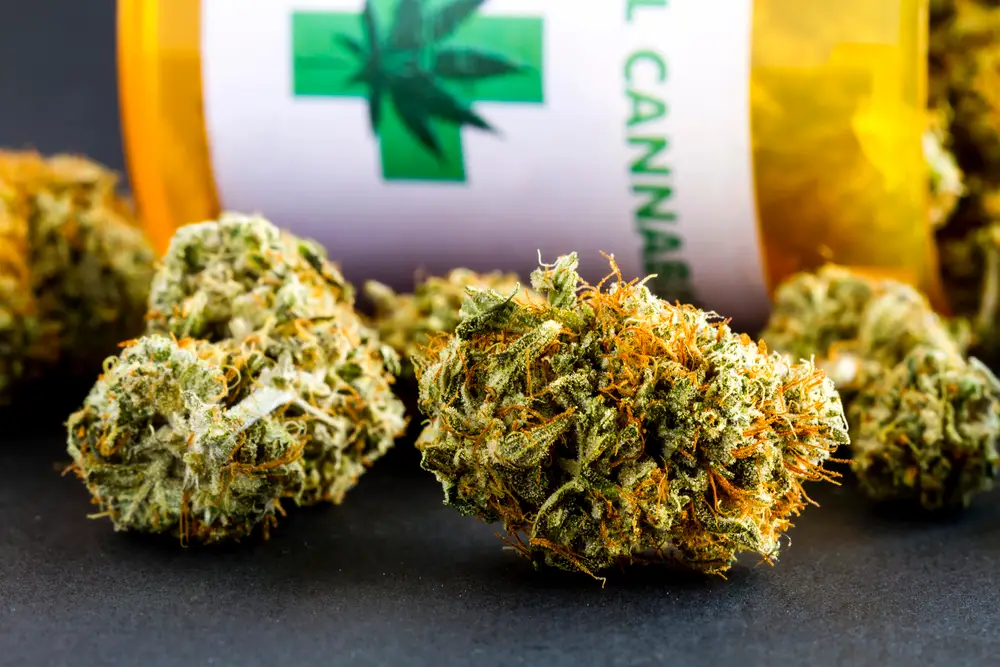
Marijuana addiction, also called cannabis use disorder, is a medical condition that develops when the brain adapts to repeated exposure to THC. Over time, these changes can make it difficult to cut back, even when the consequences are clear. People may notice rising tolerance, cravings, or withdrawal symptoms such as irritability, anxiety, sleep problems, low mood, or reduced appetite when they try to stop. Cannabis can affect attention, learning, memory, and coordination, which is why driving or performing sensitive tasks while impaired is unsafe.
Cannabis contains many active compounds. Tetrahydrocannabinol, or THC, can alter perception, reaction time, attention, and decision-making. Modern products often have higher THC than in past decades, which can increase risks for impairment and compulsive use in frequent users. These effects explain why daily tasks and relationships can be harder to manage when use escalates.
How Marijuana Dependence Develops

Who Is The Marijuana Addiction Treatment Program For?
This program is designed for individuals who want to stop marijuana addiction and regain control of their daily life. You will learn how tolerance, cravings, and habits form, and how cannabis can affect sleep, memory, motivation, and mood. Care includes a personalized plan with evidence-based therapies such as cognitive behavioral therapy, motivational enhancement, and contingency management.
We focus on practical skills for craving management, stress regulation, and relapse prevention, with options for inpatient and outpatient treatment, group support, and aftercare. All services are confidential and tailored to your goals so you can build a healthier routine and long-term recovery.
Call Now for Program Availability
Get a confidential consultation and explore your options.
Our friendly support team is here to help.
Signs of Marijuana Addiction
Everyone’s experience looks different. Common addiction indicators include:
- Using more than planned or earlier in the day
- Spending significant time obtaining, using, or recovering
- Struggling to meet responsibilities at work, school, or home
- Avoiding social activities you used to enjoy
- Choosing higher-THC products or larger amounts to feel the same effect
- Using despite conflict, anxiety, or sleep disruption
- Feeling withdrawal symptoms when you stop, such as irritability, restlessness, vivid dreams, or reduced appetite
- Returning to use to feel normal
These patterns are consistent with cannabis use disorder and respond well to structured, skills-based care.
Why Professional Treatment Is Essential
Risks of Quitting Without Support
Many people try to cut down on their own. Some succeed for a time, then stress, triggers, or insomnia pull them back. Marijuana does not require medical detox like alcohol or benzodiazepines, yet withdrawal can feel uncomfortable and may lead to relapse without guidance. Professional care provides structure, coping strategies, and accountability during the early weeks of change.
Physical and Mental Health Considerations
Frequent cannabis use can impair attention, coordination, and reaction time, which raises crash risk and affects safety-sensitive tasks. Smoking can harm lung tissues and may worsen bronchitis-like symptoms for regular users. Emerging research also links frequent use with higher odds of heart attack and stroke, with risk increasing as smoking becomes more frequent. Your plan will address the route of use, frequency, and personal health risks so you can make informed choices
Your Personalized Marijuana Treatment Plan
No two recovery journeys are the same. Care begins with a private assessment of your usage pattern, mental health, sleep habits, medical history, and personal priorities. Together, we set clear, realistic goals. For some, that means full abstinence. For others, it means a structured reduction plan on the way to stopping. Your voice guides the process from start to finish.
Treatment Options at Safe Haven Recovery
Residential Treatment
Residential care provides a structured, supportive setting when you need distance from triggers and time to focus on healing. Your days include individual therapy, small skills groups, wellness practices, psychoeducation, and recovery planning in a calm environment.
Outpatient Treatment
Weekly or biweekly outpatient therapy sessions help you maintain gains, step down from higher care, or begin with a lighter touch. We aim for the least intensive level that still provides enough support for steady progress.
Aftercare Planning
After formal treatment, we create a personalized aftercare plan that supports long-term recovery from marijuana addiction. Your plan may include scheduled follow-ups, weekly or biweekly therapy, peer support groups, a written relapse prevention strategy, coping and trigger management tools, steps for school or work reintegration, family support options, and a crisis safety plan.

Evidence-Based Therapies and Holistic Support
- Cognitive Behavioral Therapy (CBT) helps you understand the connection between thoughts, feelings, and behaviors, and then guides you in rehearsing new responses to cravings, stress, and high-risk situations.
- Dialectical Behavior Therapy (DBT) skills build emotion regulation, distress tolerance, and interpersonal effectiveness, making it easier to face difficult moments without resorting to unhealthy behaviors.
- Trauma-informed care fosters safety and choice as you process experiences that may contribute to substance use.
- Mindfulness-based therapies build present-moment awareness so cravings feel more manageable and less urgent. Sessions may include mindfulness training, guided breathwork, and gentle movement to reduce stress, improve sleep, and create space between a trigger and your response.
- Family therapy equips loved ones to support recovery without enabling, improve communication, set healthy boundaries, resolve conflict, and strengthen accountability.
- Relapse prevention planning involves identifying personal warning signs, mapping triggers, rehearsing coping strategies, and outlining step-by-step actions for immediate intervention plans.
These approaches align with national guidance for brief counseling and skills-based care for adults living with marijuana dependence
Why Choose Safe Haven Recovery


We're an Expert High-End Top-Rated Addiction Treatment Center
Thousands of Client Success Stories
8+ Years of Trusted Substance Abuse Treatment
We Accept Most Insurance
We accept most major insurance providers including the ones displayed here.
Submit your insurance to confirm coverage.



Take Control of Your Cannabis Use Now
You deserve care that is respectful, practical, and evidence-based. At Safe Haven Recovery in Beverly Hills, we offer attentive guidance from your initial conversation through to aftercare.
Connect with an admissions specialist about marijuana addiction treatment that fits your needs and supports lasting change.
It only takes a few minutes to learn about how we can help you conquer drugs & alcohol, and reclaim control over your life.
Complete this Form for a
Confidential Consultation
All calls and messages are 100% confidential.
Scientific References
- Centers for Disease Control and Prevention. (2024, February 15). About cannabis. https://www.cdc.gov/cannabis/about/index.html
- Centers for Disease Control and Prevention. (2024, February 16). Cannabis health effects. https://www.cdc.gov/cannabis/health-effects/index.html
- Centers for Disease Control and Prevention. (2024, February 15). Cannabis and lung health. https://www.cdc.gov/cannabis/health-effects/lung-health.html
- National Institute on Drug Abuse. (2024, September 24). Cannabis (Marijuana). https://nida.nih.gov/research-topics/cannabis-marijuana
- National Institutes of Health, NHLBI. (2024, February 28). Smoking cannabis is associated with an increased risk of heart attack and stroke. https://www.nhlbi.nih.gov/news/2024/smoking-cannabis-associated-increased-risk-heart-attack-stroke
- Substance Abuse and Mental Health Services Administration. (2015, October 1). Brief counseling for marijuana dependence: A manual for treating adults (SMA15-4211). https://library.samhsa.gov/product/brief-counseling-marijuana-dependence-manual-treating-adults/sma15-4211