
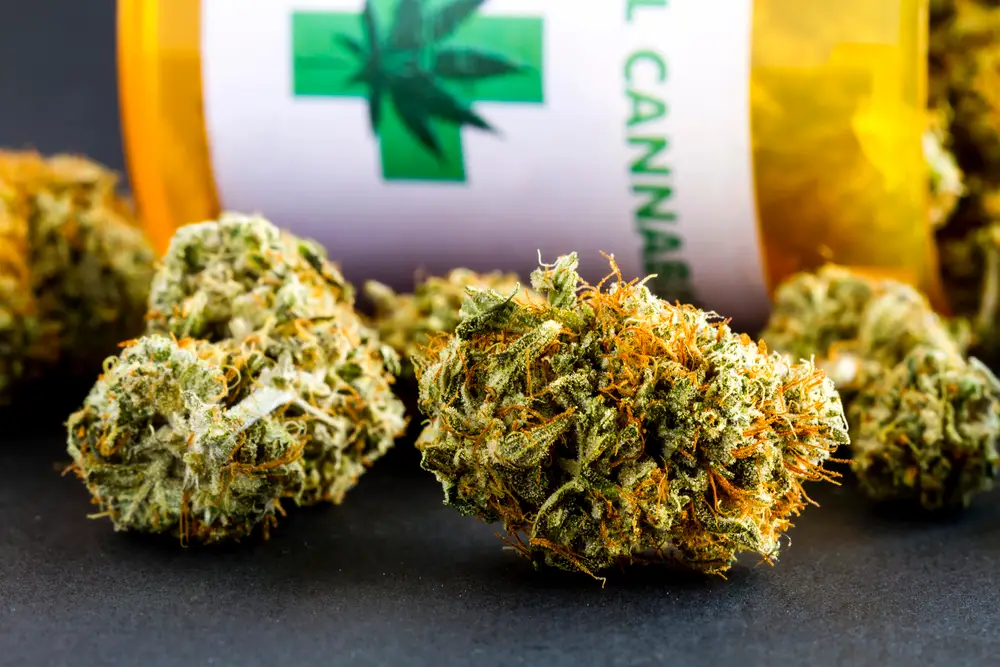
 Every cannabis user benefits from a quick, reliable safety check before lighting up. If you are asking what does laced weed look like, this guide walks you through the essentials. While products from licensed dispensaries go through testing, marijuana from informal sources can be contaminated with everything from laundry detergent to stimulants, PCP, or fentanyl. Some warning signs are visible, others are not. Use the guide below to spot red flags fast, then add testing when looks and smell do not tell the whole story.
Key takeaways
- White or off-white powder, odd-colored patches, or glass-like sparkle are major red flags.
- Sharp, chemical-like or “industrial” odors, rather than natural terpene aromas, suggest contamination.
- A texture that feels gritty, dusty, slick, or unnaturally sticky often signals the presence of adulterants.
- Visual checks miss many substances. Fentanyl test strips add essential protection.
- Buying from licensed dispensaries significantly reduces the risk compared to street sources.
7 telltale signs of laced weed
1) Powdery or chalky residue
Natural trichomes look frosty and translucent. A dusting that seems floury, opaque, or bluish is suspicious. You may notice residue accumulating in crevices or transferring to your fingers. Think crushed pills, talc, or even powdered fentanyl. Trichomes feel tacky from resin. Powder feels dry and dusty.
2) Unnatural color shifts or patches
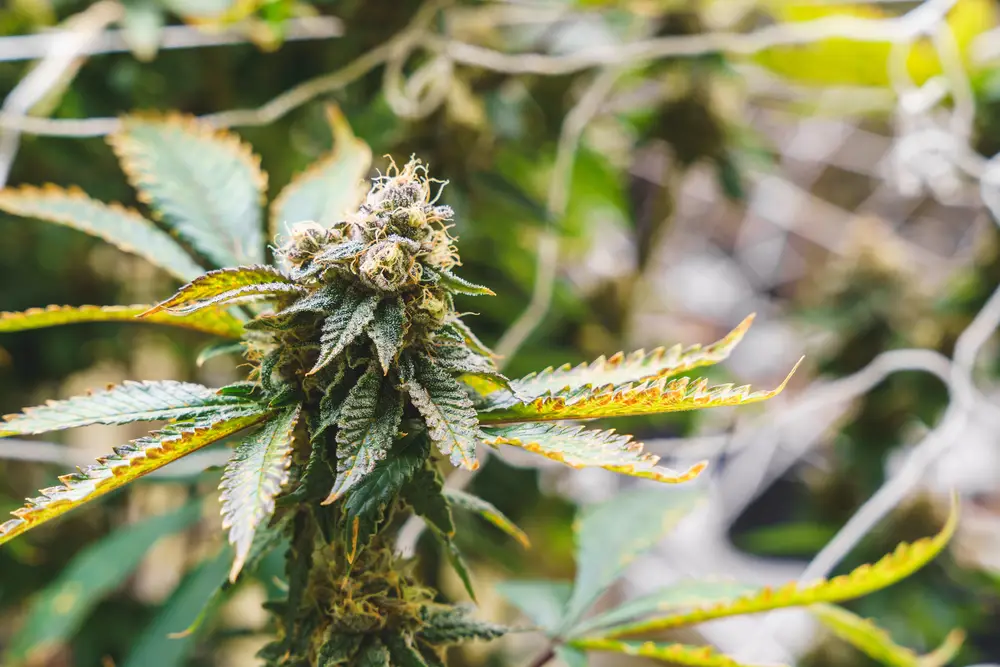
Healthy cannabis ranges from light to deep green, often with orange or purple pistils. Watch for streaks of bright blue, red, or neon yellow that appear painted-looking. Brown or black burn spots can indicate the presence of harsh chemicals. A flat, gray, ashen, or oddly vibrant uniform color may come from detergents or dyes applied to mask poor quality.
3) Crystal formations that do not look like trichomes
Under light, real trichomes glisten with a soft, milky sheen and feel sticky. Some adulterants create hard, glass-like flecks that glitter too brightly or too uniformly. If the sparkle looks like tiny shards instead of natural resin frost, be cautious. A gritty feel adds to the concern.
4) Grit, sand, or a suspicious “glass” sparkle
To cheat on weight and mimic frost, some sellers add micro glass or grit. Rub a tiny piece between your fingers. Grit feels abrasive, not resinous. A simple check is the CD or DVD test. If rubbing the bud lightly scratches the disc, you may be dealing with glass contamination.
5) Chemical or solvent odors instead of terpenes
Cannabis should smell earthy, skunky, citrusy, piney, sweet, or spicy, depending on the strain. Red flags include aromas like gasoline, paint thinner, nail polish remover, ammonia, or embalming fluid. A harsh medicinal or acrid scent that overpowers natural terpenes suggests PCP, solvents, or other synthetics.
6) Texture that is too dry, too wet, or strangely sticky
Quality flower feels springy and slightly sticky from resin. Laced weed can crumble to dust, feel hard or brittle, or seem wet and oily. “Wet weed” soaked in liquid PCP often leaves an artificial slick residue on fingers. Detergents can make buds feel slippery instead of tacky.
7) Harsh burn and odd ash
Contaminants can change how cannabis burns. Watch for extreme throat burn, thick, harsh smoke, uneven burn lines, or ash that is dark, black, or oddly tinted. Clean flower usually leaves light gray or white ash. Strange colors or chemical taste call for a hard stop.
What dealers use to lace weed, and quick identifiers
Fentanyl
Extremely dangerous in tiny amounts and often invisible. Sometimes you may notice an off-white powdery coating or unusual dryness or tackiness, but many batches show no visible sign at all. Because looks can be misleading, fentanyl test strips are the only reliable quick screen to detect fentanyl laced weed.
PCP (also called wet, fry, or illy)
Often applied as a liquid, which leaves buds damp, greasy, or unnaturally sticky. Buds can darken to brown or gray and give off a harsh chemical odor that drowns out terpenes.
Glass or grit
Added to mimic frost and add weight. Look for an intense, mirror-like sparkle and a gritty texture. Confirm with the CD scratch test. Natural trichomes will not scratch plastic.
Cocaine or methamphetamine
White crystalline residues that look brighter and more uniform than trichomes. The bud may look extra glittery and smell medicinal or chemical, especially when broken up or heated.
Laundry detergent or perfumed additives
Artificial brightness, slick or soapy feel, and strong flowery or “fresh linen” scents that do not resemble cannabis terpenes. A filmy coating in bud crevices is another clue.
Testing methods that add real safety
Fentanyl testing strips
These immunoassay strips can detect fentanyl and many analogs in small amounts. Typical use involves dissolving a tiny sample in clean water and dipping the strip per instructions. You get a quick positive or negative. Because fentanyl laced marijuana can be lethal, add strips to your kit if you do not buy from licensed dispensaries.
Multi-drug reagent kits
Field kits can screen for PCP, cocaine, methamphetamine, and other common adulterants through color reactions. They are not perfect, yet they improve your odds of catching something you cannot see.
CD scratch test for glass
Lightly rub a small crumble of flower on a CD or DVD. Scratches suggest glass or hard grit. Stop immediately if you see damage.
Professional lab testing
The most complete option. Labs can check for synthetic cannabinoids, pesticides, heavy metals, unknown chemicals, microbials and other substances. Use this when a batch appears to be off or you require definitive answers.
When To Test
Test any time the bud looks, smells, feels, or burns wrong, comes from a new or unknown source, is oddly cheap, or arrives in packaging with suspicious powder or stains. If you cannot access legal dispensaries, make testing a routine step for every new batch.
Why laced weed exists
- Profit: Adding powder, grit, or detergents increases weight and perceived quality.
- Potency theater: Spiking with PCP or synthetics creates stronger effects that can hook buyers.
- Cosmetics: Artificial scents and dyes mask poor quality.
- Cross-contamination: Shared tools and spaces can transfer other drugs by accident in illicit supply chains.
- Malice: Some bad actors intentionally add dangerous substances to cause harm or create dependency.
The risks you take with laced weed:
Overdose
Fentanyl can shut down breathing quickly, even for experienced cannabis users who have no opioid tolerance. Microscopic amounts are enough to kill.
Unpredictable drug interactions
Hidden stimulants strain the heart. Depressants compound sedation and slow breathing. You cannot manage what you do not know is present.
Chemical and physical injury
Glass can cut lung tissue. Solvents, detergents, or pesticides can poison, inflame airways, and damage organs. Harsh smoke can worsen asthma and chronic bronchitis.
Severe psychological effects
Smoking weed laced with embalming fluid, PCP, or some synthetics can trigger panic, psychosis, or dangerous disorientation. People may put themselves or others at risk during a crisis.
Legal trouble
Possession of contaminated flower can lead to charges tied to the adulterant, not just cannabis.
How to avoid laced marijuana
Prefer licensed dispensaries
Regulated markets require testing for contaminants and clear label standards. Storage and handling rules reduce contamination risk throughout the supply chain.
Inspect before use
Inspect the color, surface, and trichomes under good lighting conditions. Break a nug open. Smell for natural terpenes. Feel for springy structure and resin tack, not grit or slime.
Add testing to your routine
Keep fentanyl strips on hand if you buy from informal sources. Use multi-drug reagents for broader screening. Run the CD scratch test if the sparkle looks suspicious.
Verify sources
If legal shops are not an option, stick with trusted suppliers that others vouch for. Be cautious of free samples or deals that seem too good to be true.
Store safely
Keep flowers in clean, sealed containers away from chemicals and other drugs. Separate your grinder and tools from any non-cannabis substances.
Trust your instincts
If sight, smell, touch, or burn performance feels wrong, do not try to power through. Discard the bud. Your lungs and life are worth more than the cost of a gram.
If you suspect contamination
Stop using the product immediately. If fentanyl is a concern, test with strips. If you or someone else has already consumed and now has extreme drowsiness, slow or shallow breathing, or blue lips or fingertips, call emergency services right away. Tell responders that fentanyl exposure is possible. If naloxone is available, use it as directed and stay with the person until help arrives.
Final Thoughts: Safer Cannabis Starts with Smart Checks
You can spot many problems with simple senses, such as sight, smell, and touch. Add practical tests to catch what the eye misses, especially fentanyl. The safest move is to buy legal marijuana from licensed dispensaries. If you choose informal sources, make risk checks a non-negotiable requirement. A few minutes of inspection and testing can prevent hours in an emergency room, or something far worse. Stay alert, trust your gut, and only use a flower that passes your safety checklist.
If your relationship with marijuana is starting to affect your life, we are here to help. Contact us today. Safe Haven Recovery provides judgment-free support, education on safer use, and evidence-based marijuana addiction treatment tailored to your goals.
Sources:
- Centers for Disease Control and Prevention. (2024, April 2). Fentanyl facts | Stop Overdose.https://www.cdc.gov/stop-overdose/caring/fentanyl-facts.html
- Centers for Disease Control and Prevention. (2024, April 2). What you can do to test for fentanyl | Stop Overdose.https://www.cdc.gov/stop-overdose/safety/index.html
- Holland, J. A., Nelson, L., Ravikumar, P. R., & Elwood, W. N. (1998). Embalming fluid–soaked marijuana: New high or new guise for PCP? Journal of Psychoactive Drugs, 30(2), 213–215. https://pubmed.ncbi.nlm.nih.gov/9692385/
- Gilbert, C. R., Baram, M., & Pique, J. (2013). Respiratory failure related to smoking tainted marijuana in two patients. Case Reports in Pulmonology, 2013, 253576. https://pmc.ncbi.nlm.nih.gov/articles/PMC3568288/