Substance abuse and mental health issues are often deeply connected. Many individuals who struggle with addiction also suffer from conditions like anxiety, depression, PTSD, or bipolar disorder. When these conditions occur together, it’s called a co-occurring disorder or dual diagnosis.
To heal fully, both the mental health disorder and the substance use disorder must be treated together. That’s where top rehab facilities—like Safe Haven Recovery in Beverly Hills—excel. Our integrated, person-centered approach offers the clinical depth and holistic support necessary for lasting recovery.
Let’s explore how centers like Safe Haven Recovery treat co-occurring disorders with a comprehensive, compassionate, and highly effective plan.
Comprehensive Assessment: Laying the Foundation
The first step toward healing is understanding the whole person. At Safe Haven Recovery, each new client undergoes a detailed clinical and psychological assessment. This includes:
- Medical history review
- Substance use screening
- Mental health evaluation
- Trauma assessment
- Lifestyle and family dynamics analysis
This process helps clinicians identify underlying causes and contributing factors. With this information, we create a personalized treatment plan that addresses both substance abuse and mental health challenges at the same time.
Medication Management: Stabilizing Mind and Body
Medication can play a powerful role in managing symptoms associated with co-occurring disorders. At Safe Haven Recovery, clients have access to board-certified psychiatrists and medical staff who oversee:
- Medication for mental health conditions (e.g., antidepressants, antipsychotics)
- Medication-Assisted Treatment (MAT) for addiction (e.g., Suboxone, Naltrexone)
- Monitoring for side effects and effectiveness
- Adjustments to support long-term stability
This careful medication management provides the balance and relief many clients need to actively engage in therapy and rebuild their lives.
Evidence-Based Therapies: Proven Approaches for Recovery
Safe Haven Recovery uses evidence-based treatment methods that have been clinically validated to help individuals with co-occurring disorders. These therapies are provided in both individual and group settings, and include:
Cognitive Behavioral Therapy (CBT)
CBT helps clients identify and challenge negative thought patterns that contribute to addiction and mental illness. It’s highly effective for conditions like depression, anxiety, and PTSD.
Dialectical Behavior Therapy (DBT)
Originally developed for people with borderline personality disorder, DBT is now widely used for emotional regulation, distress tolerance, and building healthier relationships.
Motivational Interviewing (MI)
This client-centered therapy boosts motivation for change by helping individuals explore their reasons for recovery and resolve ambivalence.
Trauma-Informed Therapy
Because trauma is often the root cause of both substance abuse and mental health struggles, Safe Haven’s therapists are trained to provide sensitive, trauma-aware care.
Each client’s therapeutic path is unique, guided by clinical insight and tailored to their specific goals.
Group Therapy: Shared Experience, Mutual Support
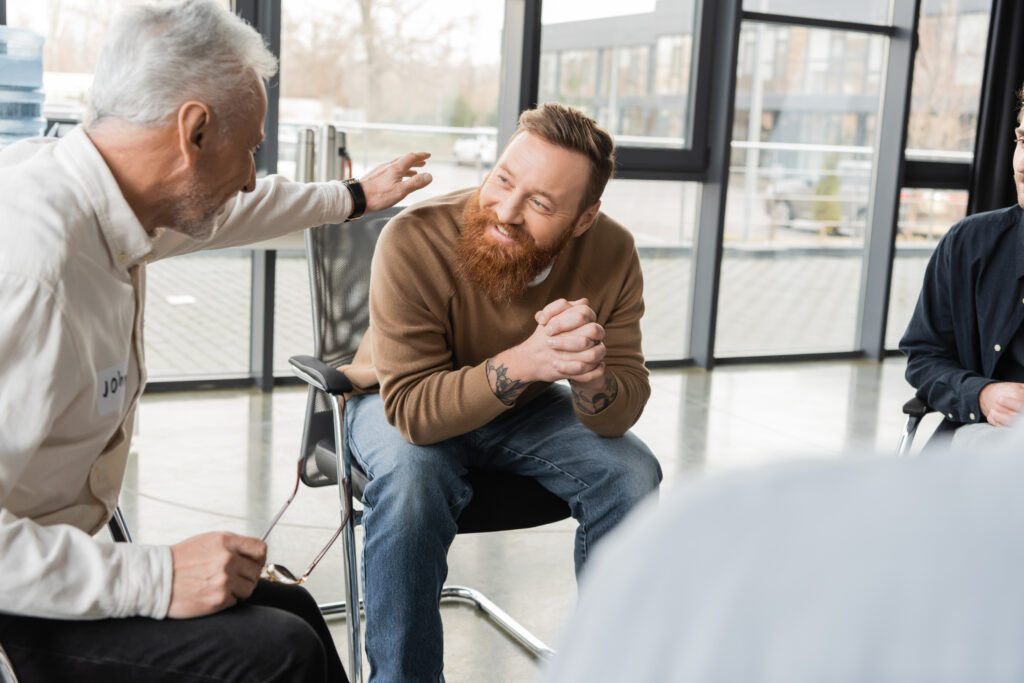
One of the most powerful aspects of treatment is group therapy. Led by licensed therapists, these sessions help clients:
- Build connections with peers
- Share experiences in a safe space
- Learn from others’ insights and challenges
- Practice social and communication skills
Group therapy reduces isolation and creates a sense of belonging—two vital ingredients for emotional healing.
Family Therapy: Healing Together
Family therapy is a key part of recovery at Safe Haven Recovery. Addiction and mental illness don’t just affect the individual—they impact the entire family system.
Family therapy sessions help:
- Rebuild trust and communication
- Educate loved ones on co-occurring disorders
- Resolve long-standing conflicts
- Create a stable support network for post-treatment life
Involving family members in the recovery process increases the likelihood of long-term success.
Complementary Therapies: Treating the Whole Person
What sets Safe Haven Recovery apart is its wide array of complementary therapies. These treatments work in conjunction with clinical care to promote mind-body wellness, emotional healing, and stress reduction.

Physical Training & Fitness
Regular exercise boosts endorphins, reduces anxiety, and helps clients rebuild structure and confidence in their daily lives.
Boxing Therapy
This high-intensity physical outlet helps release anger, reduce stress, and build discipline. It’s both therapeutic and empowering.
Yoga Therapy
Yoga combines breathwork, movement, and mindfulness to help clients reconnect with their bodies and manage emotions.
Massage Therapy
Massage promotes relaxation, improves circulation, and reduces physical tension, especially beneficial during early recovery.
Art Therapy
Art gives clients a creative outlet to express emotions they may not yet have words for. It’s especially effective in trauma recovery.
Reiki Therapy
Reiki is a gentle energy-based practice that supports emotional healing and relaxation. It can help reduce anxiety and promote inner peace.
NAD⁺ IV Therapy
NAD⁺ (nicotinamide adenine dinucleotide) supports cellular repair and cognitive function. It’s often used to reduce cravings, fatigue, and brain fog in recovery.
These therapies provide clients with additional avenues for healing—emotionally, physically, and spiritually.
Life Skills Training: Building a New Future
At Safe Haven Recovery, clients don’t just learn how to stay sober—they learn how to live well. Life skills training includes:
- Coping with stress without substances
- Managing time, money, and responsibilities
- Setting boundaries and improving relationships
- Preparing for employment or education
These sessions prepare clients for real-world challenges, helping them maintain independence and prevent relapse.
Aftercare Planning: Support Beyond Treatment
Recovery is a lifelong journey. That’s why Safe Haven Recovery provides aftercare planning to support clients long after their residential program ends. A personalized plan may include:
- Ongoing therapy (in-person or virtual)
- Medication follow-ups
- Support group referrals (AA, NA, SMART Recovery)
- Sober living options
- Check-ins with case managers
By building a solid bridge from treatment to everyday life, Safe Haven helps clients sustain the progress they’ve made.
Why Choose Safe Haven Recovery?
Treating substance abuse and mental health together takes expertise, compassion, and a holistic mindset. At Safe Haven Recovery in Beverly Hills, clients receive:
- Personalized care from licensed professionals
- Evidence-based therapy and innovative complementary services
- A private, luxurious setting for focused healing
- A strong community of support for lifelong recovery
Whether you’re seeking help for yourself or a loved one, we’re here to walk alongside you every step of the way.
Ready to start your recovery journey? Book a confidential consultation using our online form or call us directly at 855-893-3566.