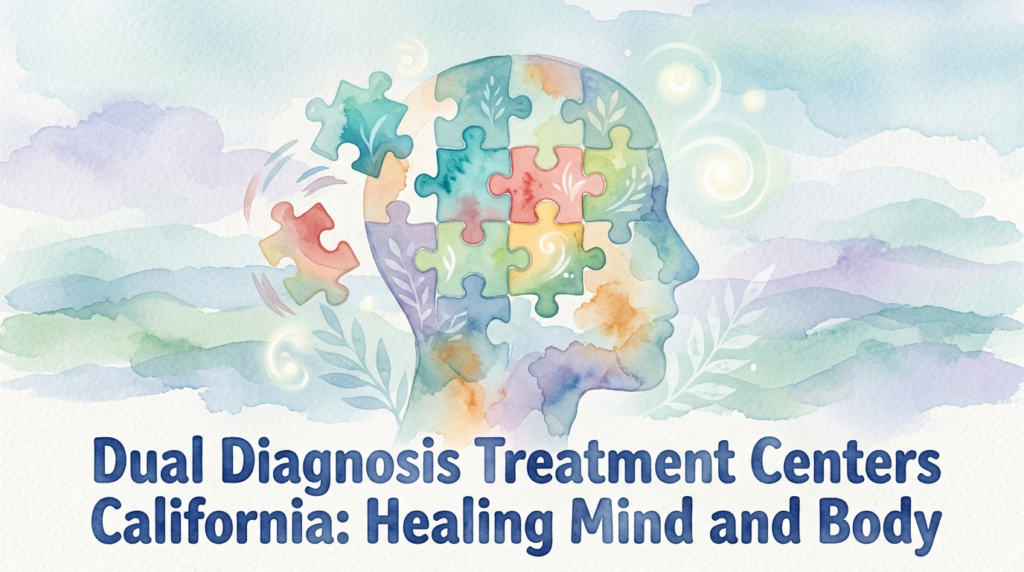
Dual diagnosis treatment centers california provide specialized medical care for individuals suffering from both a substance use disorder and a co-occurring mental health condition simultaneously. By integrating intensive psychological therapy with evidence based addiction medicine, these facilities treat the root causes of dependency. Addressing mental health and addiction together drastically reduces the rate of relapse and provides a permanent foundation for lifelong recovery.
What is Co-Occurring Disorder Treatment Los Angeles?
Understanding the complexity of addiction requires looking beyond the substance itself. In the vast majority of severe addiction cases, drugs or alcohol are merely symptoms of a much deeper psychological struggle. Co-occurring disorder treatment Los Angeles is a highly specialized branch of addiction medicine designed to tackle this exact phenomenon.
Historically, the medical community treated mental health and substance abuse as two entirely separate issues. A patient would be sent to a psychiatric ward to treat their clinical depression and then discharged to a completely different drug rehabilitation facility to address their alcoholism. This fragmented approach proved highly ineffective. Patients constantly fell through the cracks because treating one condition while ignoring the other inevitably leads to treatment failure.
Modern addiction science recognizes that these conditions are fundamentally intertwined. If a patient utilizes heroin to numb the debilitating symptoms of severe anxiety, simply removing the heroin does not cure the anxiety. In fact, removing the substance leaves the patient completely exposed to their untreated mental illness, making immediate relapse almost a guarantee. Premier facilities in Southern California now mandate a totally integrated approach, ensuring that a single cohesive clinical team manages both the psychological and chemical aspects of the patient’s health.
The Vital Connection Between Mental Health and Addiction Rehab CA
The statistical link between behavioral health disorders and chemical dependency is staggering. According to the 2024 National Survey on Drug Use and Health (NSDUH) released by the Substance Abuse and Mental Health Services Administration (SAMHSA), approximately 21.2 million adults in the United States suffer from a co-occurring mental illness and substance use disorder. Shockingly, the data reveals that only a very small fraction of these individuals receive appropriate care for both conditions simultaneously.
Mental health and addiction rehab CA programs address this critical gap in the healthcare system. The connection between the two disorders is often referred to as a bidirectional relationship. This means that mental illness can directly cause substance abuse, and conversely, prolonged substance abuse can trigger the onset of severe mental illness.
Consider the biochemical impact of chronic drug use on the human brain. Prolonged exposure to powerful stimulants like methamphetamine or cocaine physically damages the brain’s dopamine receptors. Over time, the brain loses its natural ability to produce and regulate chemicals associated with pleasure and motivation. This neurological damage frequently results in severe, long-lasting clinical depression. In this scenario, the addiction directly birthed the mental health disorder. Top tier dual diagnosis facilities possess the neurological expertise to repair this specific brain chemistry organically.
Trauma and Addiction Treatment: Healing the Root Cause
When discussing mental health in the context of addiction, one cannot ignore the profound impact of trauma. A massive percentage of individuals seeking help at a Beverly Hills rehab report histories of severe childhood trauma, domestic violence, combat exposure, or sexual assault.
Trauma and addiction treatment must go hand in hand. When an individual experiences a traumatic event, their nervous system becomes trapped in a perpetual state of “fight or flight.” This chronic hyperarousal is exhausting and deeply painful. To cope with the relentless psychological distress, many individuals instinctively turn to central nervous system depressants like alcohol or opioids. They are not chasing a high; they are desperately seeking an artificial sense of safety and calm.
Clinicians in Los Angeles utilize specialized therapeutic modalities to safely address these deeply buried wounds. Eye Movement Desensitization and Reprocessing (EMDR) is considered the gold standard for treating Post-Traumatic Stress Disorder (PTSD) within a rehab setting. EMDR allows patients to reprocess traumatic memories without having to verbally relive the explicit details of the event. By neutralizing the emotional charge of the trauma, the patient no longer feels the overwhelming urge to self-medicate, thereby removing the primary engine driving their addiction.
Analyzing the Data: Disorders and Treatment Modalities
To fully grasp the scope of dual diagnosis care, it is highly beneficial to look at the clinical data. Different mental health conditions require vastly different therapeutic interventions.
Below is an informative data table detailing the most common co-occurring disorders seen in California facilities, paired with the specific evidence-based modalities utilized to treat them effectively.
| Co-Occurring Mental Health Condition | Primary Symptoms Driving Addiction | Evidence Based Treatment Modality Used in Rehab |
| Severe Anxiety Disorders | Panic attacks, chronic worry, social phobia, and physical tension. | Cognitive Behavioral Therapy (CBT) and targeted exposure therapy. |
| Major Depressive Disorder | Deep apathy, inability to feel pleasure, extreme fatigue, and suicidal ideation. | Dialectical Behavior Therapy (DBT) and specialized medication management. |
| Post-Traumatic Stress Disorder (PTSD) | Flashbacks, hypervigilance, emotional numbness, and severe night terrors. | Eye Movement Desensitization and Reprocessing (EMDR) and somatic experiencing. |
| Bipolar Disorder | Extreme manic highs followed by devastating, lethargic depressive lows. | Intensive psychiatric stabilization and strict medication adherence counseling. |
| Borderline Personality Disorder (BPD) | Severe emotional dysregulation, fear of abandonment, and impulsive behavior. | Dialectical Behavior Therapy (DBT) with a focus on emotional distress tolerance. |
Data Note: Therapeutic applications align with current guidelines established by the American Psychiatric Association (APA) for the treatment of co-occurring disorders.
Psychiatric Care in Rehab: A Medical Necessity
One of the defining features of elite dual diagnosis treatment centers california is the prominent inclusion of licensed psychiatrists on the core medical staff. Standard addiction facilities may employ general therapists, but treating complex disorders like schizophrenia or bipolar disorder requires advanced medical intervention.
Psychiatric care in rehab ensures that patients receive highly accurate diagnoses upon admission. Often, individuals arrive at a facility having been misdiagnosed for years. The chaotic nature of active addiction perfectly mimics the symptoms of various mental illnesses. For instance, chronic alcohol withdrawal looks identical to a severe panic disorder. It requires a highly trained addiction psychiatrist to differentiate between substance-induced psychosis and an actual underlying mental health condition.
Once a correct diagnosis is established, the psychiatrist can begin proper medication management. This involves prescribing non-addictive psychiatric medications designed to stabilize mood and reduce chemical cravings. In a residential setting, doctors have the unique advantage of monitoring the patient daily. They can adjust dosages in real time, ensuring the medication provides maximum benefit with minimal side effects, a level of precision that is nearly impossible to achieve in a standard outpatient psychiatric clinic.
Targeting Depression and Alcohol Rehab Beverly Hills
The combination of clinical depression and alcoholism is perhaps the most frequently observed dual diagnosis in the United States. Alcohol is a powerful central nervous system depressant. While it may temporarily relieve anxiety or sadness in the short term, its long term effect is the severe suppression of serotonin production in the brain.
A specialized depression and alcohol rehab Beverly Hills program approaches this deadly combination through a highly structured, two-pronged attack. First, the patient undergoes a medically supervised detox to safely remove the alcohol from their system, preventing dangerous complications like delirium tremens.
Once the body is physically clear, the clinical focus shifts entirely to cognitive rehabilitation. Therapists work relentlessly with the patient to identify the negative thought loops that fuel their depression. Through Cognitive Behavioral Therapy, patients learn to challenge their own internal narratives. Simultaneously, the holistic amenities available in a Beverly Hills facility play a crucial role. Prescribed exercise routines, organic nutritional planning, and guided mindfulness meditation work synergistically to naturally boost the body’s native serotonin and dopamine levels, actively repairing the neurological damage caused by the alcohol.
Choosing the Right Dual Diagnosis Los Angeles CA Program
Not all rehabilitation centers are equipped to handle complex psychiatric profiles. When searching for a dual diagnosis Los Angeles CA program, families must ask highly specific questions during the admissions process to ensure the facility meets the necessary clinical standards.
First, confirm that the facility is fully accredited by reputable organizations such as the Joint Commission or CARF. Second, inquire directly about the staff credentials. A true dual diagnosis center will have a Board Certified Psychiatrist on staff, not just a general practitioner on call. Furthermore, the primary therapists should hold advanced degrees and specific certifications in trauma informed care.
The environment also dictates the quality of care. For individuals suffering from severe anxiety or trauma, placing them in a crowded, chaotic, state-funded facility can actually exacerbate their mental health symptoms. Luxury and executive programs in Beverly Hills purposely limit their patient census. This guarantees a quiet, highly controlled, and deeply tranquil environment where the central nervous system can finally relax and begin the slow process of cellular repair.
The Critical Role of Long Term Aftercare
Healing from a dual diagnosis is not a quick fix; it is a lifelong commitment to behavioral health management. Therefore, the true value of an elite program lies in its aftercare planning.
Before a patient ever leaves the residential facility, their clinical team maps out a comprehensive discharge plan. This plan typically involves securing a seamless transition into an Intensive Outpatient Program (IOP), setting up continuous weekly appointments with a local psychiatrist, and integrating the patient into specialized dual diagnosis support groups.
Because co-occurring disorders significantly elevate the risk of relapse, continuous monitoring is non negotiable. Patients must learn to recognize the early warning signs of a mental health flare up. If a patient begins to feel the familiar weight of depression returning months after leaving rehab, their aftercare plan provides them with immediate resources to address the depression before they ever feel compelled to pick up a drink or a drug.
Addressing mental health and addiction concurrently is the most challenging, yet ultimately rewarding, form of behavioral healthcare. By choosing a facility that respects the profound complexity of the human mind, you give yourself or your loved one the highest possible chance at achieving a balanced, joyful, and permanently sober life. Do not wait for the crisis to deepen. Reach out to a certified clinical team today and begin the vital work of true psychological healing.
Frequently Asked Questions (FAQ)
What do dual diagnosis treatment centers california actually treat?
Dual diagnosis treatment centers in California treat individuals who suffer from both a substance use disorder and a co-occurring mental health condition, such as clinical depression, severe anxiety, bipolar disorder, or post-traumatic stress disorder, simultaneously.
Why is psychiatric care in rehab important?
Psychiatric care in rehab is vital because untreated mental illness often drives substance abuse as a form of self-medication. By providing dual psychiatric and addiction care, medical professionals can stabilize brain chemistry, accurately diagnose underlying conditions, and prevent chronic relapse.
Does depression and alcohol rehab Beverly Hills use different therapies than standard rehab?
Yes. A specialized depression and alcohol program utilizes highly targeted therapies like Cognitive Behavioral Therapy alongside psychiatric medication management. Standard rehabs often focus solely on the behavioral aspects of the addiction, whereas dual diagnosis programs treat the chemical and neurological roots of the depression itself.
How common is the need for co-occurring disorder treatment Los Angeles?
It is incredibly common. According to SAMHSA, over 21 million adults in the United States struggle with a co-occurring disorder. It is now considered the clinical standard of care to assume that a patient entering rehab also has some form of underlying mental health condition that requires treatment.
Will my PPO insurance cover mental health and addiction rehab CA?
Yes. Under federal law, major PPO health insurance providers are required to offer coverage for both behavioral health and substance abuse treatment. Because dual diagnosis care treats documented medical conditions, insurance frequently covers a substantial portion of the intensive psychiatric and residential costs.